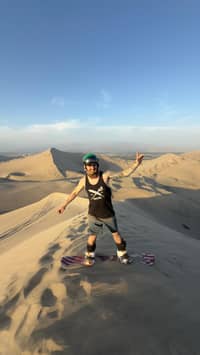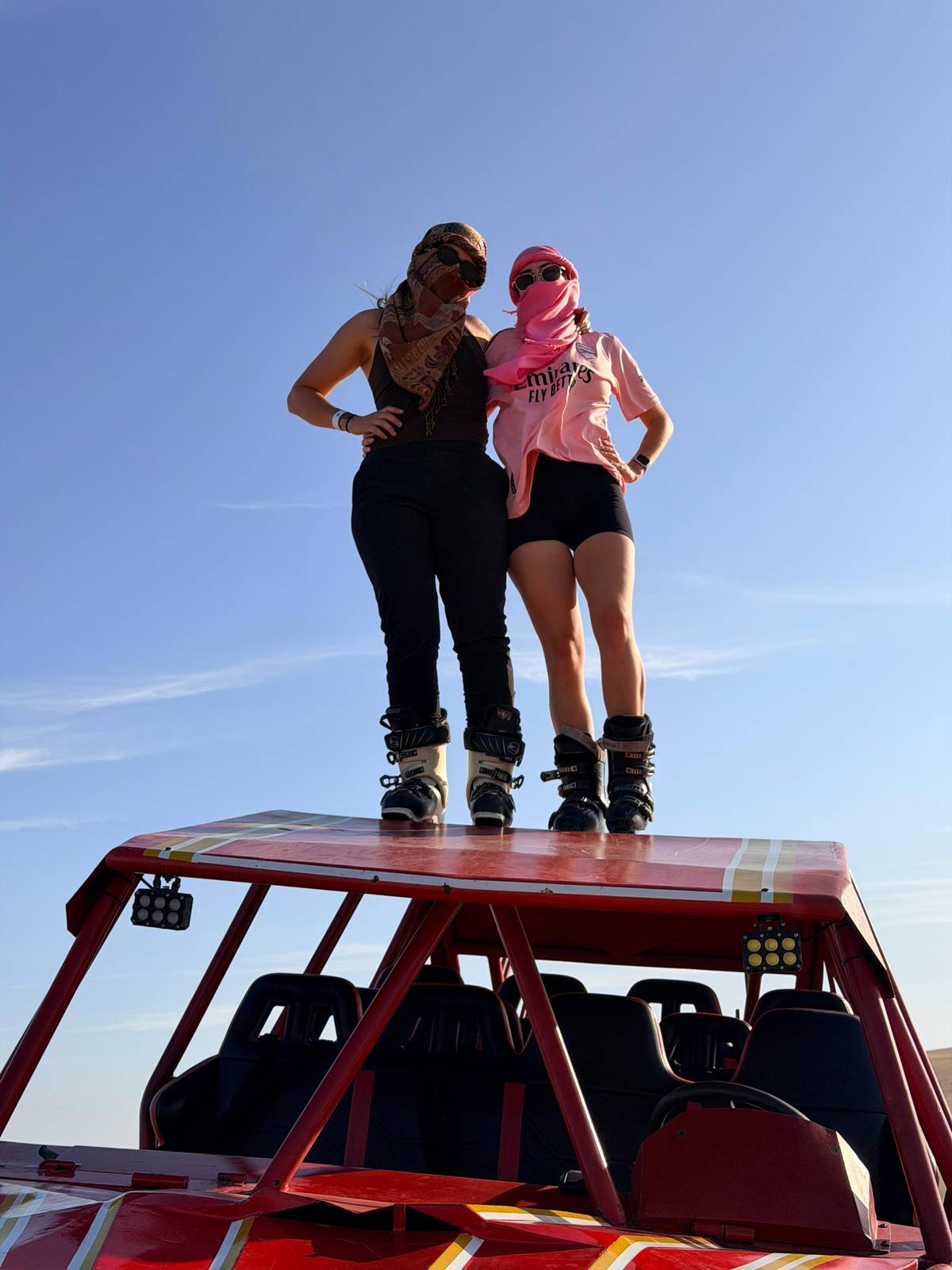
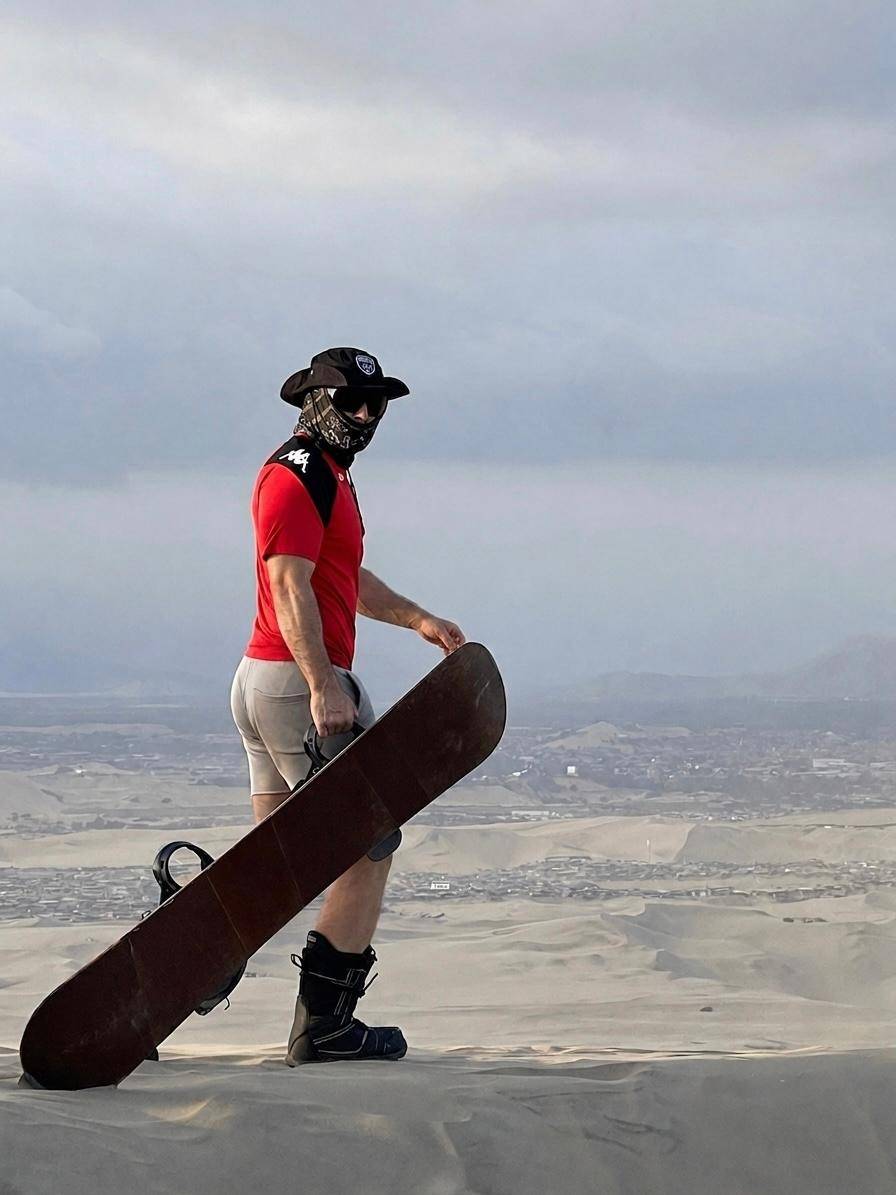
 PromPeru's pick
December to April
Warm evenings, hot middays
- March high
- 33.4 °C
- January low
- 17.8 °C
- Good for
- Sunset sessions
Guides
Language
EnglishCurrency
US dollar · $Your currency applies on GetYourGuide too.
Guide · Best time
The dunes of the Peruvian coast are dry in every month, so the question is not whether you can ride but how hot it will be, how cool the evening gets and what else you want to fit in.
Editorial team, perusandboarding.comUpdated October 26, 2026about 6 min to read15 sources
When to go, in brief
Rain is not the issue. The San Camilo weather station that SENAMHI runs in the Ica valley, a few kilometers from the Huacachina dunes, averages 10.6 mm of precipitation a year in the 1991 to 2020 normals, and its wettest month, January, gets 5.1 mm.4 You can plan a sandboarding trip in any month without packing a raincoat.
PromPeru rates sandboarding at Huacachina as possible all year and calls the oasis a good destination at any time.12 It also adds a sensible caveat: the seasons it gives are a guide, and you should check the weather and natural conditions before any activity.5
What changes through the year is temperature, wind and the light. The best time for sandboarding in Peru depends on how much heat you can take, whether you want long warm evenings or cool crisp ones, and what else is on your route, from the boats at Paracas to the flights over Nasca.
A summer day
Sunrise
PromPeru suggests walking the dunes at sunrise.6
06:00
Start the big climb in the cool hours.7
Midday
The hottest part of a summer day near Ica.
Late afternoon
The sunset session begins on the sand.
Sunset
Among the most photographed sights at the oasis.8
The southern summer is the hot season on the coast. San Camilo's afternoons average 31.9 C in January and climb to a peak of 33.4 C in March, with February at 33 C between them; after dark the air holds at a mild 17.8 to 18.7 C.3
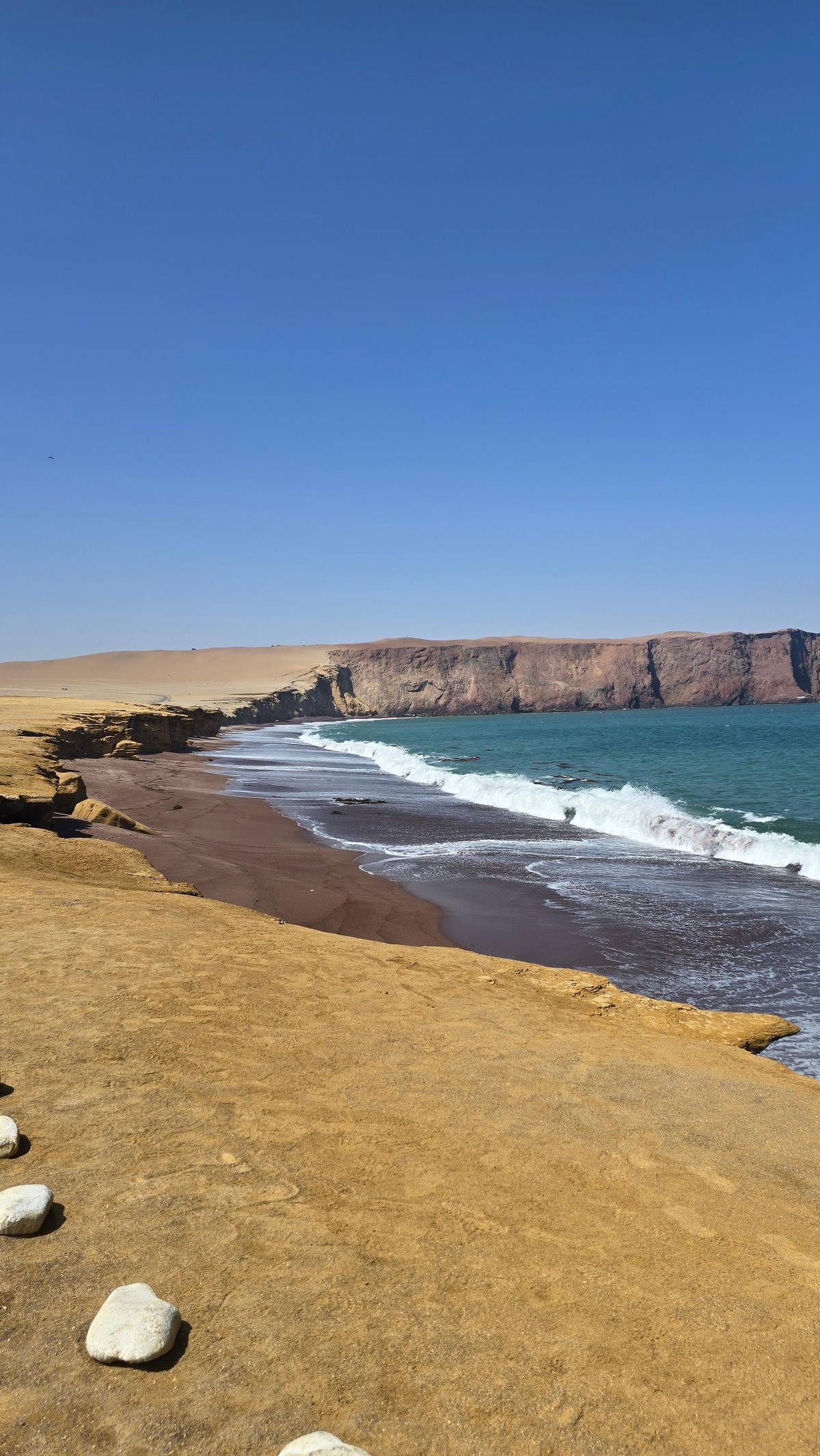
For Huacachina, PromPeru's pick is February to March, the warmer stretch of the year.2 It recommends Paracas between December and April, the summer months.9 If you want warm evenings on the dunes and a swim in the Pacific the same week, this is your season.
The heat is real, though. Ride in the late afternoon rather than at midday, carry more water than you think and protect your skin. Light, long sleeves beat a tank top on the sand: they keep the sun off and the grains away when you fall. The upside of summer is the evening: you can sit on a crest after sunset in a T-shirt, which in winter would be a shivery business.
Day and night
Month by month
| Month | Daylight (h) | Darkness (h) | High / low | Wet days | On the sand |
|---|---|---|---|---|---|
| Jan | 12.9 | 11.1 | 32 / 18 °C | - | Hot days |
| Feb | 12.6 | 11.4 | 33 / 19 °C | - | Hottest |
| Mar | 12.2 | 11.8 | 33 / 18 °C | - | Hottest |
| Apr | 11.8 | 12.2 | 32 / 16 °C | - | Hot days |
| May | 11.5 | 12.5 | 29 / 12 °C | - | Warm days |
| Jun | 11.3 | 12.7 | 26 / 11 °C | - | Mild days |
| Jul | 11.4 | 12.6 | 25 / 10 °C | - | Mildest |
| Aug | 11.6 | 12.4 | 26 / 10 °C | - | Mild days |
| Sep | 12 | 12 | 28 / 11 °C | - | Warm days |
| Oct | 12.4 | 11.6 | 29 / 12 °C | - | Warm days |
| Nov | 12.8 | 11.2 | 30 / 13 °C | - | Hot days |
| Dec | 12.9 | 11.1 | 31 / 16 °C | - | Hot days |
Means for 1991 to 2020 from San Camilo, the SENAMHI station in the Ica valley: the warmest and coolest hours of the day and each month's rain, as filed with the World Meteorological Organization, with no count of rainy days. Daylight hours are our own mid-month calculation for the latitude of Huacachina.3 Season according to PromPeru.2
Seasons on the sand
PromPeru's pickWarm evenings, hot middays
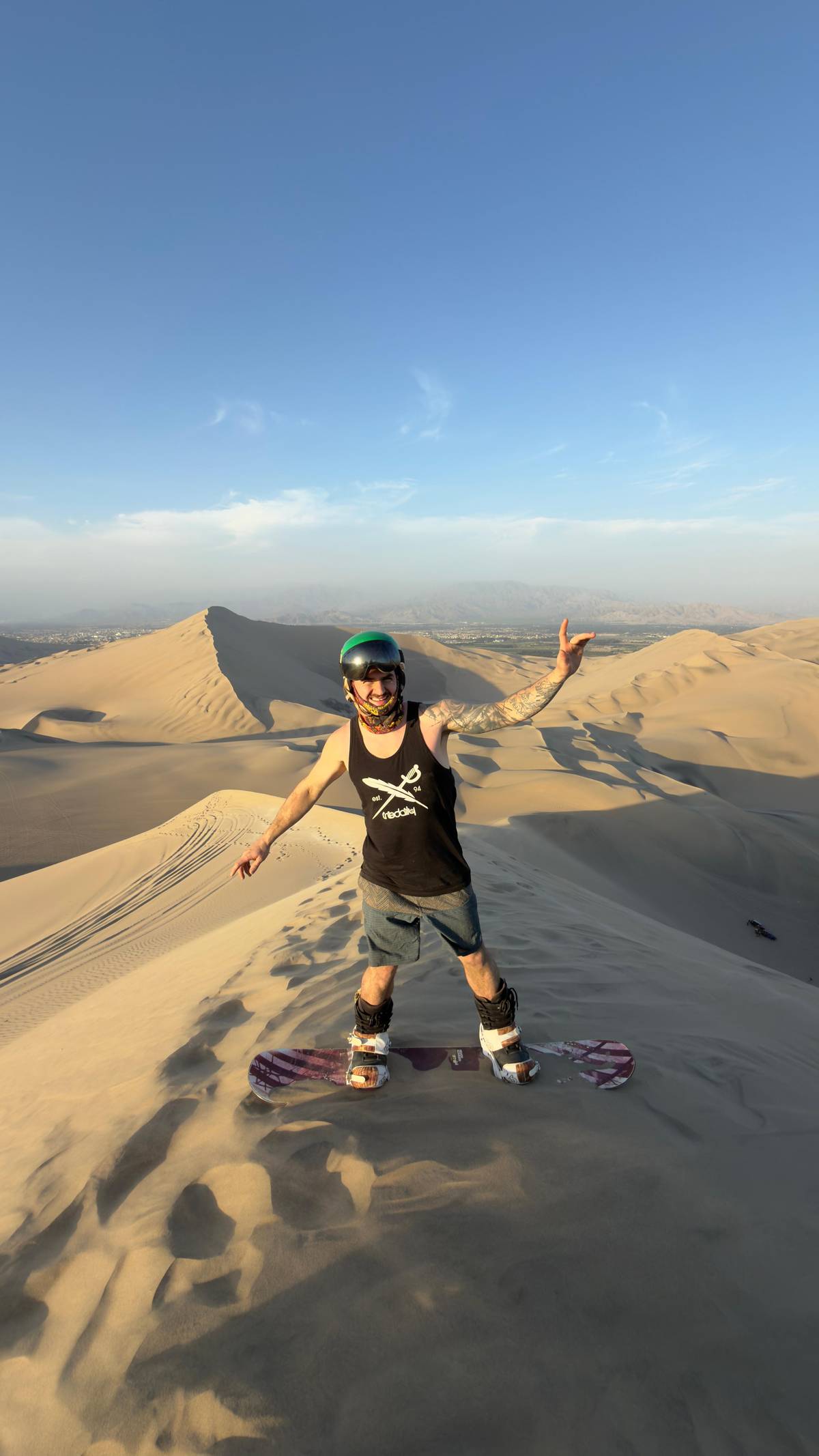 For climbing
Warm days, fresh nights
 Nazca season
Cool days, cold nights
Decision helper
Start from what you want besides the board
PromPeru's best time, when it is warmer.2
Highs near 29.2 C make the climb easier.3
PromPeru recommends the summer months there.9
Dawn fog in the high season can delay flights.10
Mean highs of 25.2 C, the coolest month at Ica.3
Bear in mind that the seasons are only a guide. Before any activity, check the weather and natural conditions at the destination.
The southern winter is the cool season. July is the coolest month at San Camilo, with a mean daily maximum of 25.2 C and a minimum of 10.3 C; August is close behind at 26.1 C and 10.4 C.3 Days are pleasant for climbing, nights are cold. It is a good season for anyone who finds desert heat hard going, and for travelers combining the dunes with the Andes, where warm layers are needed anyway.
SERNANP describes winters at Paracas as long, cool, dry, windy and mostly clear.11 Wind matters for a board session on the coast: it can make the sand sting and the evenings feel colder than the numbers suggest. A windbreaker is on PromPeru's list for both Paracas and Huacachina.1213
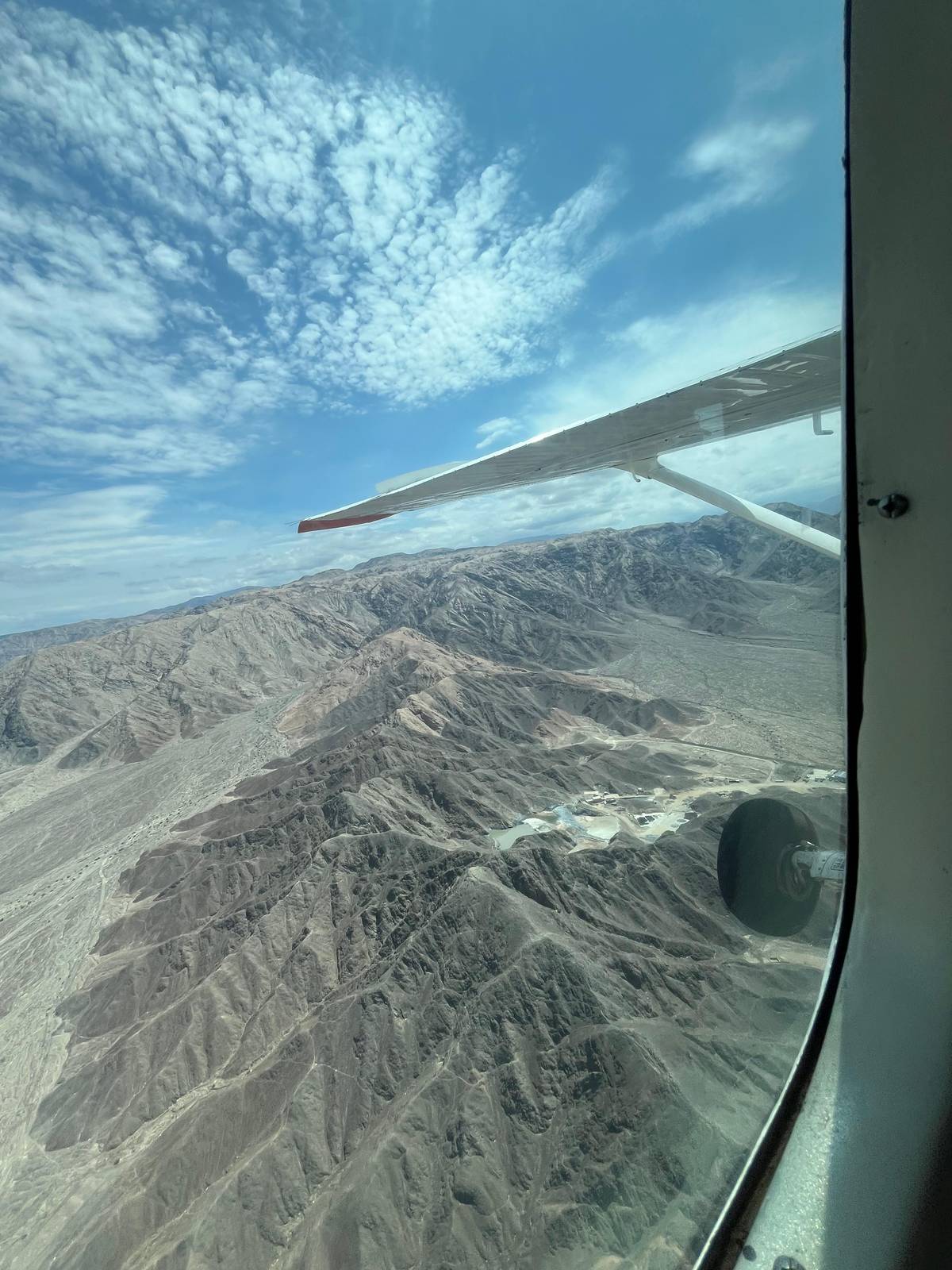
Winter also brings the busy months for Nazca flights. PromPeru notes that July and August are the high season, with dawn fog that can delay the first departures, and advises booking ahead.10 If Cerro Blanco and the lines are both on your list, build in a spare morning.
Checklist
Cost calculator
Enter your group size to compare three evening outings.
Total from$46
per head from $23
Check availabilityfree cancellationTotals are each outing's from-price times the number of people you enter, turned into your currency with that day's ECB rate; checkout shows what you actually pay.
Video
The player stays empty until you press play.
Between the extremes sit the months that suit hard work on the sand. At San Camilo, May brings afternoons of 29.2 C and nights of 12.4 C, and October matches the day figure with nights of 12.1 C.3 November warms to a mean high of 30 C.3
These months suit the bigger days: a climb of Cerro Blanco, a full day on the dunes south of Lima or a long walk up the crests above the lagoon. They also fall outside the main holiday dates, which can mean quieter slopes and easier booking for small-group outings. The air is warm enough for light clothes in the afternoon and cool enough to climb without overheating.
Evenings in the shoulder months are fresh rather than cold. A light fleece or a windbreaker is enough for the ride back after sunset. If you want comfort over drama, aim here, and leave the hottest weeks of March and the cold nights of July to others.
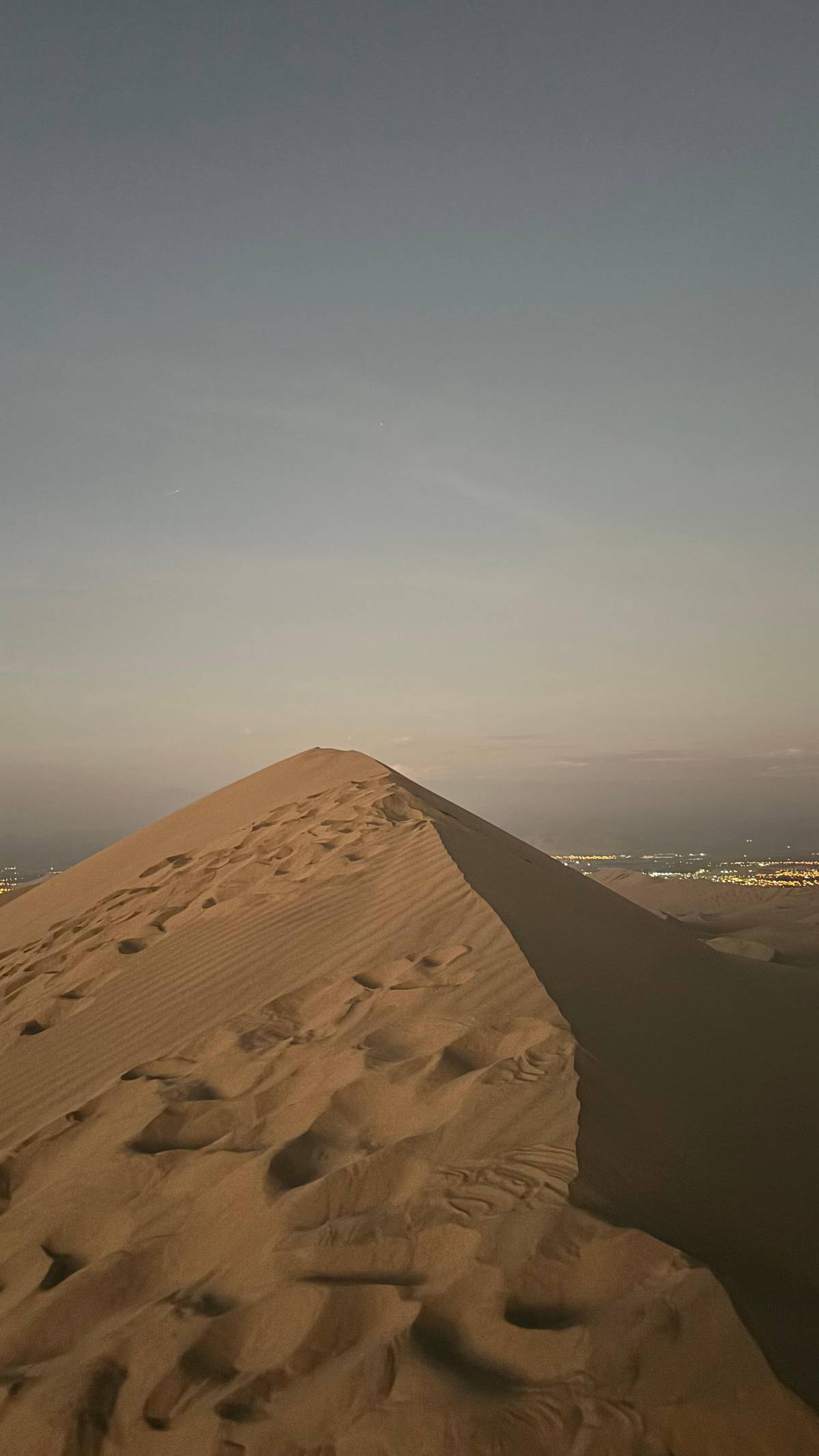
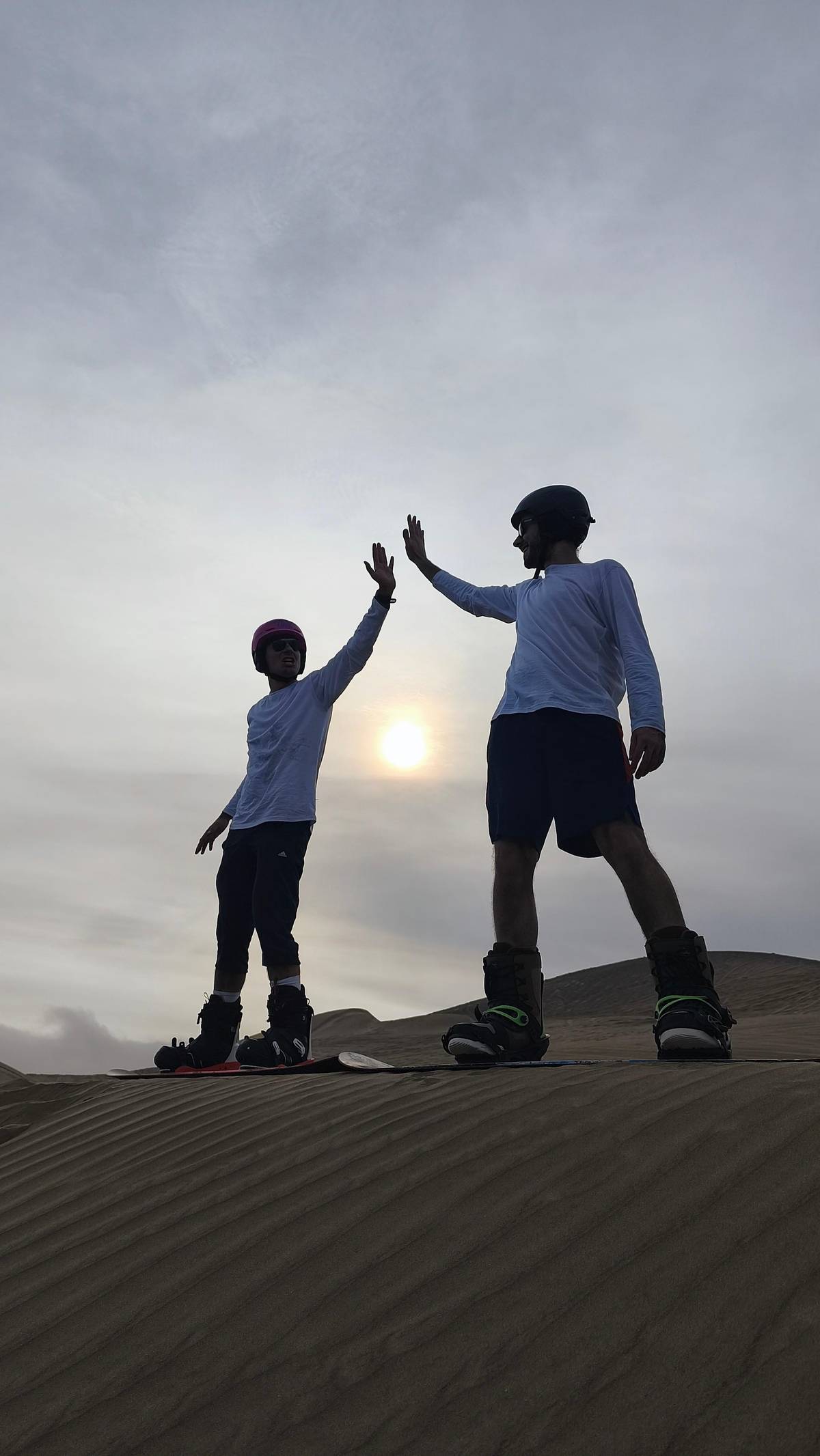
The hour you ride counts as much as the month. The sunset outings at Huacachina head out in the afternoon; the most reviewed tour lists the sunset among its stops. PromPeru counts the sunset seen from the dune crests among the most photographed moments of the oasis.8
Early mornings are the other good window. PromPeru suggests walking the dunes at sunrise or sunset to see the light change the landscape.6 At Cerro Blanco the site opens at 06:00 and closes at 17:00; a dawn start gives you the climb in the cool hours.7
Avoid the middle of the day in summer. The sand heats up, the light flattens the dunes and the glare is hard on the eyes. If your trip leaves you free only at midday, spend it by the lagoon or in the shade and save your energy for the evening session.
Day length changes little through the year on Peru's coast. Our own calculation for the latitude of Huacachina gives about 12.9 hours of daylight in mid-January and 11.3 hours in mid-June.3
That difference shifts the sunset session. In summer the sun sets later and the evening on the dunes feels long; in winter it comes earlier and the temperature drops quickly afterwards. Ask your operator for the start time on your date, as tours adjust to the sunset. In the cooler months an earlier start can also mean a warmer session, with the last run done before the chill arrives.
Whatever the month, the ride back often happens in twilight or after dark. Keep a light layer and a small torch in your bag, and make sure you know where the buggy is parked before the last run. Sand looks the same in every direction once the light goes, and a group that drifts apart on the crest can take a while to gather again. Agree on a meeting point with your guide while you can still see it.
Holiday dates can change a day trip from Lima. A luxury Paracas and Huacachina listing warns that on Easter weekend and around Independence Day its pickup comes earlier and the sandboarding and buggy at Huacachina last only 1 hour. If you travel then, book a local outing in Ica instead.
Beyond Ica, the north coast has its own warm season. The Manchan dunes near Casma see temperatures from 18 C in winter to 30 C in summer, according to MINCETUR's record.14 Toro Mata in the far south remains a descent for experts only, whatever the season you pick.15
In short: come in February or March for warmth, in May or October for comfortable climbing, and in July or August for cool days and the busy Nazca flight season. The dunes themselves are ready all year; pick the month that suits your body and your route.
Your sunset
Pick an evening, meet your driver at a hotel in Ica or the oasis, and drop out free of charge until the day before.
February or March for warmth. PromPeru picks February to March for Huacachina and calls the oasis worth a visit in any month.2
Hardly ever. The Ica valley averages 10.6 mm a year; January, the wettest month, gets 5.1 mm.4
March. The mean daily maximum at San Camilo near Ica is 33.4 C in March.3
About 10 C at night in July. July has a mean daily minimum of 10.3 C and a maximum of 25.2 C.3
December to April. PromPeru recommends the summer months and a windbreaker for the mornings.912
July and August. PromPeru notes dawn fog in that season that can delay the first flights.10
Late afternoon to sunset. PromPeru ranks the sunset seen from the crests among the most photographed moments at Huacachina.8
Sources